In 2026, the traditional ways to send money to cuba securely have changed overnight. With the implementation of Executive Order 14404 in May, the risk of secondary sanctions means that yesterday's reliable bank might be today's frozen account. You shouldn't have to worry about your family's support getting stuck in a regulatory black hole or being eaten alive by 10% fees. It's time to move past the slow, outdated systems that no longer serve your needs.
We understand that your priority is getting funds to your loved ones without the stress of hidden spreads or agonizingly slow delivery times. It's about more than just a transaction. It's about reliable connection and empowerment. This article provides a comprehensive, step-by-step security checklist designed specifically for the complex 2026 financial environment. We'll show you how to identify compliant platforms, avoid high-risk entities like GAESA, and leverage modern digital tools to ensure your money arrives safely and instantly every single time.
Key Takeaways
- Navigate the 2026 regulatory shift and understand why traditional wire transfers now represent a significant security risk for your funds.
- Follow a step-by-step checklist to send money to cuba securely by auditing provider licenses and ensuring robust app encryption.
- Master the math behind exchange rate spreads to maximize the value of every transfer while avoiding hidden costs.
- Identify and avoid common remittance scams lurking in social media groups and unverified messaging apps.
- Streamline your support with instant MLC transfers that leverage biometric security for a faster, safer experience.
Understanding the 2026 Landscape of Cuban Remittances
The rules for sending money to Cuba were rewritten in May 2026. With the introduction of Executive Order 14404, the financial bridge between the U.S. and the island became more complex. This order, rooted in the long history of the U.S. embargo against Cuba, introduced secondary sanctions that make traditional banks hesitant to move funds. To send money to cuba securely in this environment, you need a strategy that prioritizes transparency and compliance. Security is no longer just about a strong password. It involves robust KYC (Know Your Customer) protocols that ensure your funds don't inadvertently touch sanctioned entities like GAESA or MINFAR. We believe in removing these barriers by focusing on digital-first solutions that prioritize your peace of mind.
What is an MLC Account and Why Does it Matter?
MLC (Moneda Libremente Convertible) accounts are the backbone of the modern Cuban economy. These accounts are held at institutions like BANDEC (Banco de Crédito y Comercio), BPA (Banco Popular de Ahorro), and Banco Metropolitano. They allow recipients to purchase essential goods in specialized digital-only stores. By 2026, the shift from physical cash to digital wallet ecosystems is complete. Digital funds provide a level of transparency and safety that paper currency lacks. When you send funds directly to an MLC card, you bypass the risks of physical handling. You ensure your family has immediate purchasing power within a regulated digital marketplace. It's about empowering your loved ones with usable, secure assets instantly.
The 'Speed as Security' Paradox
In global finance, time is a liability. Traditional wire transfers that take 5 to 7 business days are a significant security risk. Every day your money spends in transit is a day it's exposed to regulatory holds, intermediary bank errors, or shifting compliance standards. We view speed as a core security feature. Instant peer-to-peer (P2P) transfers minimize this window of exposure to seconds. By utilizing real-time transaction tracking and high-level encryption, you eliminate the uncertainty of legacy banking. A secure remittance today means your funds arrive before the regulatory landscape can shift again. This rapid delivery protects both the sender's peace of mind and the recipient's immediate needs. Don't let your support get stuck in a slow, outdated system.
The Ultimate Checklist: Sending Money to Cuba Securely
Sending funds shouldn't feel like a gamble. To send money to cuba securely, you need a framework to vet your provider. Don't settle for vague promises. Look for concrete proof of safety. A reliable platform operates with total transparency, leaving no room for doubt about where your money is at any given second. Using a verified checklist is the only way to send money to cuba securely without falling victim to predatory platforms.
First, verify that the platform holds valid licenses. This includes being registered as a Money Services Business (MSB) or regulated by the Financial Conduct Authority (FCA). These licenses ensure the company follows strict anti-money laundering (AML) laws. It's critical to stay aligned with the U.S. Treasury's Cuba Sanctions to avoid your funds being frozen. If a provider can't prove their regulatory standing, walk away immediately. Your security depends on their compliance.
Technical Security: What's Under the Hood?
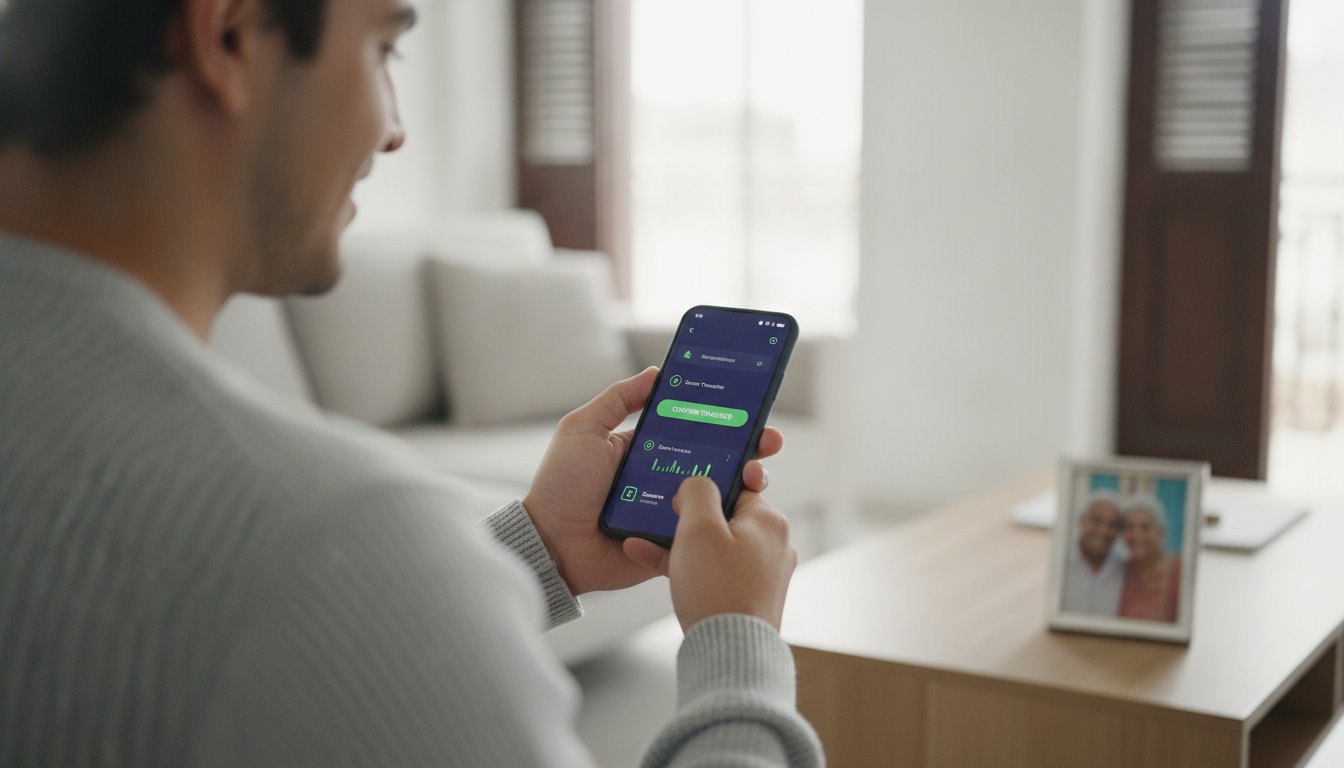
High-end encryption is non-negotiable. Look for 256-bit SSL encryption and PCI DSS compliance. These standards protect your data from the moment you hit send. Multi-factor authentication (MFA) adds a vital layer. If an app doesn't require a biometric login like FaceID or a fingerprint, it's not prioritizing your safety. Identity verification (KYC) might seem like a hassle. However, it's the only way to ensure the platform remains compliant and secure for everyone. It prevents unauthorized access and protects the entire community of senders.
Payment Method Safety
How you pay matters. Direct bank wires are often slow and expose your full account details. Regulated fintech platforms offer better alternatives. Using Apple Pay or Google Pay creates a virtual token for your transaction. This means the platform never sees your actual card number. If you're in Canada or Europe, check how the service handles Interac or SEPA transfers. These methods are designed for speed and high-level protection. They offer a one-click simplicity that mirrors the efficiency of modern life.
Finally, scrutinize the exchange rates. A secure provider displays the MLC rate clearly before you commit. There should be no surprise fees at the end. Reliable support is also a security feature. If something goes wrong at 2 AM, you need 24/7 professional assistance. You can find these features integrated into a modern transfer app that simplifies the entire process. Verification is your best defense against the uncertainty of global transfers.
Comparing Methods: Apps vs. Banks vs. P2P Networks
Choosing the right channel is the first step to send money to cuba securely. Traditional banks often rely on legacy systems that weren't built for the speed of modern life. These institutions frequently charge high transaction fees while hiding additional costs in wide exchange rate spreads. This makes the final amount received unpredictable. In contrast, modern fintech platforms prioritize transparency. They show you exactly what will arrive in Cuba before you hit send. This eliminates the "hidden tax" often found in desktop bank portals.
Reliability also varies significantly between methods. While state-owned banks offer a sense of familiarity, their success rates can be hampered by outdated technology and manual processing. Private fintech apps often boast higher success rates because they use automated, API-driven systems. This ensures that your MLC transfer doesn't get lost in a sea of paperwork. Beyond just sending funds, modern apps offer flexibility that banks can't match. You can combine a direct transfer with a mobile recharge or a gift card; this creates a multi-layered support system for your family.
The Rise of Peer-to-Peer (P2P) Transfer Apps
Peer-to-peer transfers are revolutionizing how the diaspora supports their loved ones. By removing the traditional middle-man, P2P networks eliminate the multi-day delays associated with international wire transfers. This speed isn't just convenient; it's a security feature. The less time your money spends in transit, the lower the risk of it being caught in a regulatory hold. Security for these transfers is maintained through escrow services and verified identities. This ensures both parties are protected. A recent CSIS analysis on Cuba remittance policy highlights that viable, digital-first options are essential for maintaining financial lifelines. For the tech-savvy user, P2P is the fastest way to send money to cuba securely while maintaining full control over the process.
Digital Products: A Secure Alternative to Cash
Sometimes, the safest way to provide support isn't through a direct cash transfer. Digital products like Cubacel recharges and gift cards offer a high-security alternative. These products are delivered instantly and can't be lost or stolen like physical currency. When you send an international recharge, you're providing an essential utility that keeps your family connected. Similarly, gift cards for MLC stores ensure that your support goes directly toward food, medicine, and household essentials. Combining these digital tools with peer-to-peer transfers allows you to maximize your impact. It creates a borderless financial experience that is both versatile and incredibly resilient against shifting regulations.

Red Flags: How to Spot and Avoid Remittance Scams
Scammers thrive on urgency and emotion. They target people who simply want to support their families during difficult times. To send money to cuba securely, you must look past the flashy promises of informal agents. High-pressure tactics are a major warning sign. If someone pushes you to "act now" before a rate expires, stop. Legitimate platforms don't operate that way. They provide stable, transparent environments where you can make informed decisions without being rushed.
Watch out for exchange rates that defy logic. If an agent offers a rate far above the current market MLC spread, they're likely running a scam. These "too good to be true" offers often lead to stolen funds or identity theft. You should never share your recipient's full MLC card number or your own banking credentials in a chat window. Secure platforms use encrypted portals, not private WhatsApp messages or Facebook threads, to handle sensitive data. If a service doesn't have a professional interface, it's a risk you can't afford to take.
Phishing is another constant threat in the digital corridor. You might receive an email that looks exactly like a popular transfer app. Check the sender's address carefully. Look for typos or slightly altered domain names that mimic the real thing. Real services will never ask for your password, PIN, or full card details via email. To send money to cuba securely, always log in directly through a verified app or official website rather than clicking on links in unsolicited messages.
The Risk of Informal Networks
Informal couriers, or "mulas," represent a massive security gamble. While they've been a staple of the past, they offer zero legal protection. If your money disappears, you have no recourse. There's no customer support to call and no regulatory body to file a complaint with. Transitioning your family to a digital wallet ecosystem is a much safer move. It replaces physical risk with encrypted reliability. You gain a permanent paper trail and the protection of international financial laws that informal networks simply can't provide.
Protecting Your Personal Data
Spoofing websites are designed to steal your login info. Always look for the padlock icon in your browser's address bar. Verify that the URL is correct before entering any details. Modern platforms like the DUC App prioritize your recipient's ID data through multi-layered encryption. They use biometric logins and secure servers to keep your information out of reach. If you suspect your account is compromised, change your password immediately and contact support. Speed is your best defense. Don't wait for a problem to escalate; act the moment something feels off.
DUC App: The Bold Standard for Secure Cuba Transfers
DUC App isn't just another financial tool. It's a modern response to a complex global landscape. When you need to send money to cuba securely, you require a platform that understands both the technology and the regulations. We've built an ecosystem that prioritizes your family's needs while maintaining the highest security standards. Our platform facilitates instant MLC transfers to BANDEC, BPA, and Banco Metropolitano accounts. This ensures your support reaches its destination without the typical five day wait found in traditional banking systems. Speed is our greatest security feature.
Security is our foundation. We utilize multi layered protocols that go far beyond simple passwords. From biometric login features like FaceID to advanced 256 bit encrypted processing, every transaction is shielded. Our global reach allows users in the USA, Canada, and Europe to connect with their loved ones using localized, protected payment methods. By combining peer to peer transfers, international recharges, and digital gift cards into one secure hub, we offer a level of versatility that legacy systems simply cannot match. It's about empowering you to choose the best way to support your family at any given moment.
Why DUC is the Reliable Global Connector
We believe that transparency is the key to trust. That's why we operate with a commitment to zero hidden fees and clear exchange rates. You'll always know exactly what your recipient will get before you confirm the transfer. By utilizing modern fintech, we bypass the friction and delays of traditional banking corridors. Our ecosystem is designed to do more than just move funds. It keeps you connected through international recharges and provides access to essential goods via digital gift cards. We've solved the hard problems so you can focus on what matters most: your family. We are the bridge to a borderless experience.
Getting Started with DUC in 3 Minutes
Setting up your lifeline to Cuba is fast and hassle free. First, download the app from your preferred store. Second, complete our streamlined verification process to ensure your account meets all regulatory security standards. Third, choose your transfer method and send. It’s that simple. You can also set up your digital wallet for recurring support, making it easier than ever to maintain a consistent connection. Don't wait for the next regulatory shift to find a solution. Download DUC App and send money to Cuba securely today and experience the freedom of high performance finance.
Take Control of Your Global Support
The 2026 remittance landscape demands more than just good intentions; it requires a strategy built on speed and regulatory transparency. You now have the checklist to audit providers, avoid high-risk informal couriers, and leverage the power of MLC digital wallets. By choosing modern fintech over legacy banking, you ensure your funds don't just leave your account but actually arrive where they're needed most. It's possible to send money to cuba securely when you move past outdated systems and embrace digital reliability.
DUC App provides the ultimate bridge for the global diaspora. Our platform utilizes biometric login and 256-bit encryption to keep your data untouchable while supporting Visa, Mastercard, Apple Pay, and Crypto. With instant MLC delivery to BANDEC, BPA, and Banco Metropolitano, your support is never more than a few taps away. You've done the hard work of staying informed; now let us handle the technical complexity of the 2026 sanctions environment.
Start your secure transfer to Cuba with DUC App now. Experience the peace of mind that comes with a borderless, high-performance financial connection. Your family is waiting, and we're here to make sure your support arrives exactly when it matters most.
Frequently Asked Questions
Is it legal to send money to Cuba from the USA in 2026?
Yes, sending personal remittances to Cuban nationals remains legal under current U.S. regulations. However, you must ensure your funds don't involve any sanctioned entities like GAESA or MINFAR, which were added to the SDN list in mid-2026. Using a compliant platform ensures you stay within the bounds of Executive Order 14404. This protects your assets from being frozen by international banks wary of secondary sanctions.
What is the safest app to send MLC to family in Cuba?
DUC App is the premier choice to send money to cuba securely because of its multi-layered protection. It integrates biometric logins and 256-bit encryption to shield every transaction from the moment you hit send. Unlike informal social media groups, DUC is a regulated fintech environment that prioritizes user safety and regulatory compliance. It offers a transparent, borderless experience that removes the guesswork from global support.
How long does a secure money transfer to Cuba usually take?
Secure transfers through modern P2P apps are usually instant. While traditional bank wires might take 5 to 7 business days, digital-first platforms deliver MLC funds to BANDEC or BPA accounts in minutes. This speed is a vital security feature because it reduces the time your money is exposed to regulatory shifts or intermediary bank delays. It's the most efficient way to provide immediate help to your family.
What recipient information do I need for a secure MLC transfer?
You need the recipient’s full legal name and their specific 16-digit MLC card number. These cards are typically issued by BANDEC, BPA, or Banco Metropolitano. Ensuring this information is accurate prevents delivery errors and keeps the transaction within secure, regulated channels. Some platforms may also require additional identity verification to comply with current KYC standards and ensure the safety of both the sender and the receiver.
Can I send money to Cuba using cryptocurrency securely?
Yes, you can use cryptocurrency to send money to cuba securely through the DUC App. Crypto provides an additional layer of financial liberation by bypassing traditional banking friction and legacy delays. It's a high-performance option for the tech-savvy diaspora looking for a borderless way to support family. The app handles the technical complexity, converting your digital assets into usable MLC funds for your loved ones instantly.
What are the fees for sending money to Cuba online?
Fees vary depending on the provider and the payment method you choose. While some legacy services charge around 10% in total costs, modern fintech platforms focus on transparency and avoiding hidden exchange rate spreads. You should always review the total cost, including the exchange rate, before confirming your transfer. Choosing a provider that shows the final MLC amount upfront prevents unpleasant surprises for you and your recipient.
How do I know if a Cuba remittance website is a scam?
You can spot a scam by looking for red flags like "WhatsApp-only" agents or exchange rates that are significantly higher than the market average. Legitimate websites will always have a professional interface and clear regulatory information, such as MSB or FCA licenses. If a site lacks multi-factor authentication or asks for your full card PIN, it's likely a phishing attempt. Always prioritize verified, licensed apps over informal networks.
Can I use Apple Pay or Google Pay to send money to Cuba?
Yes, you can use Apple Pay or Google Pay to fund your transfers on advanced platforms like DUC. These methods add a significant layer of security by using virtual tokens instead of sharing your actual card details with the app. It makes the checkout process fast and hassle-free while protecting your primary financial information from potential exposure. It's a modern, energetic way to manage your international support safely.


